out
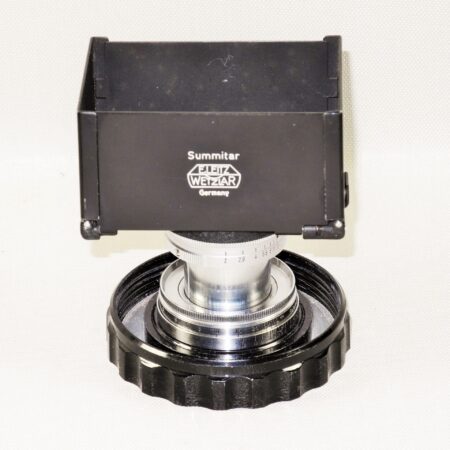
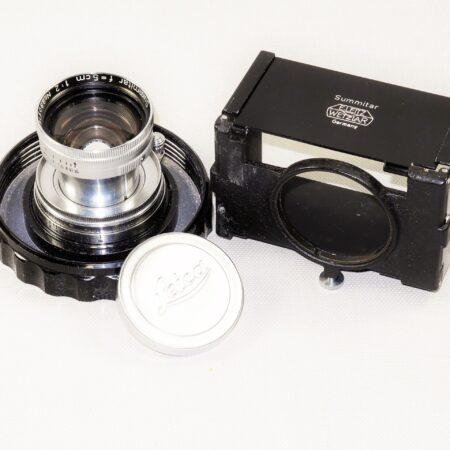
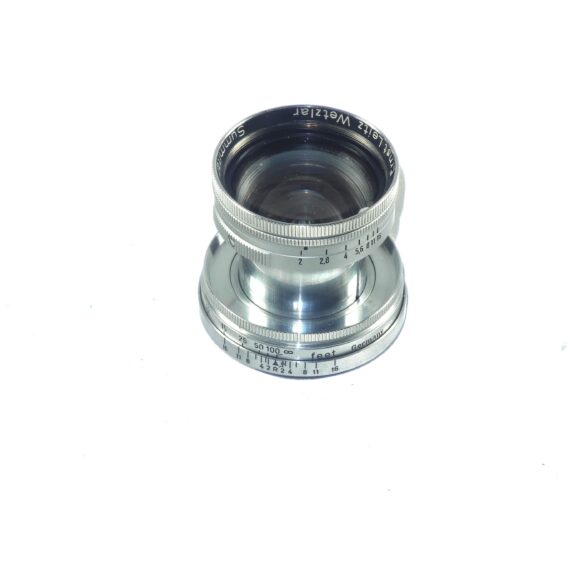
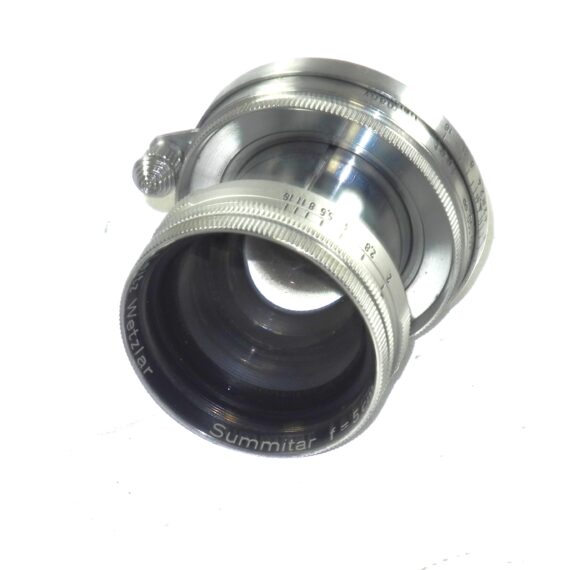
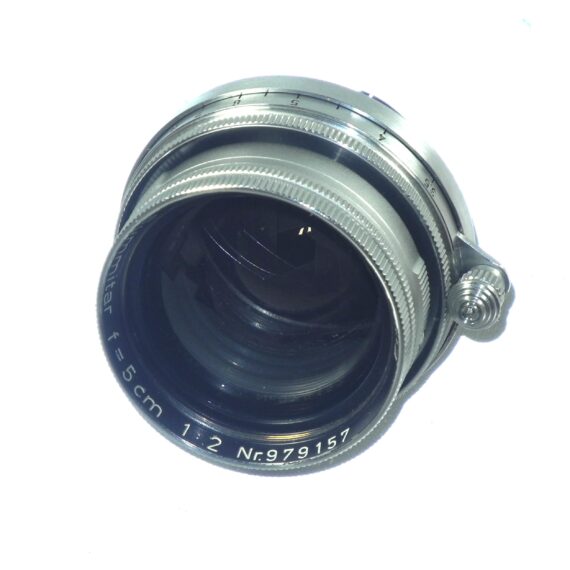
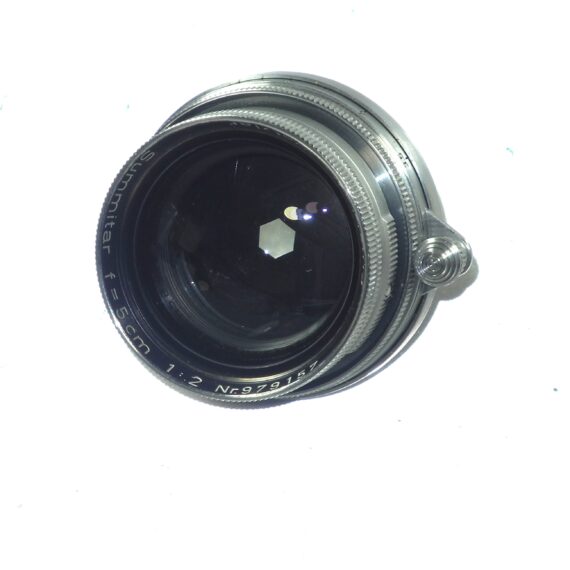
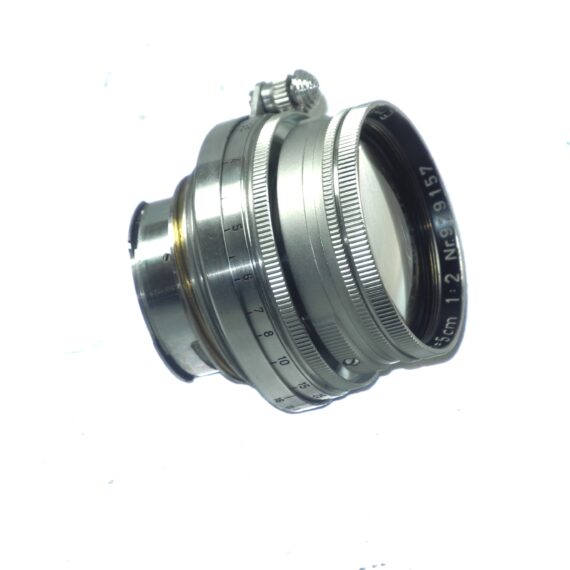
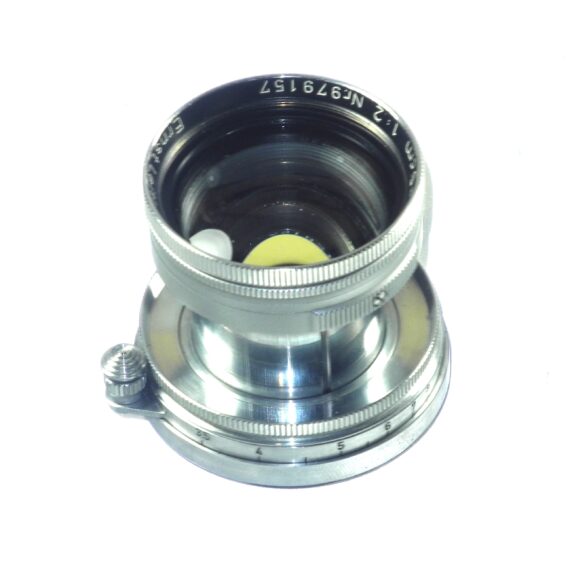
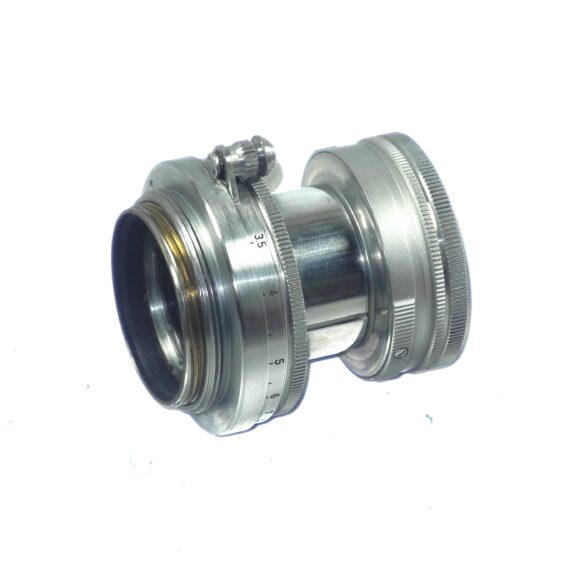
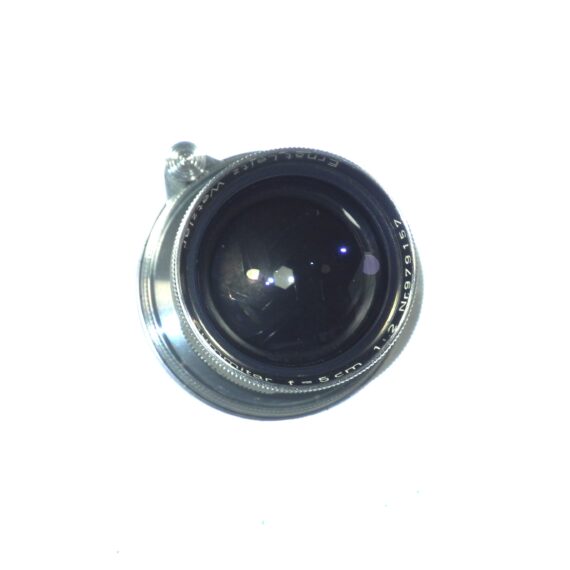
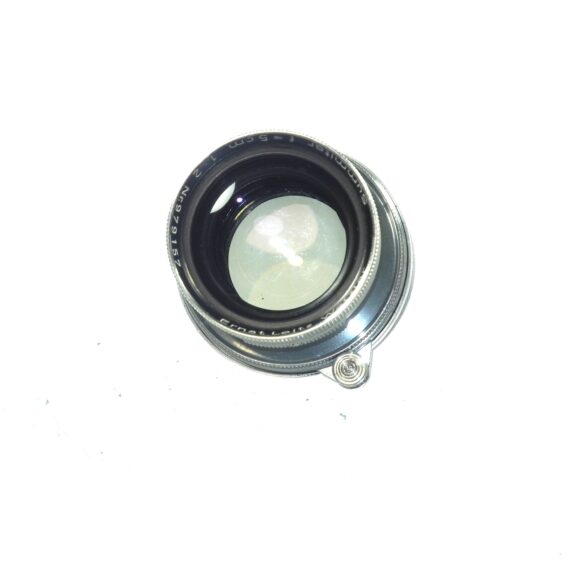
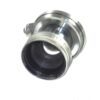
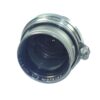
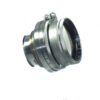
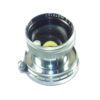
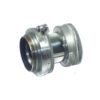
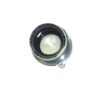
Leica 50/2 Summitar (circa 1952) the lens was CLA’d recently Sold with Leica front & Rear metal Caps / Free Shipping

Description
Leica 50/2 Summitar Circa 1952 Ex++ / Sold with Leica front and rear caps / Free shipping
Condition – cosmetically, light cleaning marks with clear glass, this lens was just CLA’d by DAG
More info from the web about the Leica 50/2 Summitar lens :
Optical Design & Construction
-
7 elements in 4 groups, including a cemented doublet at the front, an upgrade over the earlier Summar’s single front element, resulting in reduced flare and vignetting.
-
Available as single-coated (pre‑WWII) and post‑1946 coated versions (designated “SOORE‑B”), with around 170,761 coated units
-
Aperture diaphragm: early models (1939–1950) featured 10 blades for smoother, rounder bokeh; later versions (post‑1950) switched to 6 blades, giving more hexagonal highlights
-
Aperture scale uses unusual markings (f/2, 2.2, 3.2, 4.5, 6.3, 9, 12.5), clickless—typical of older Leica lenses
Physical Specs
-
Mount: Leica M39 (screw) collapsible design
-
Dimensions: about 47.8 mm diameter × 42.7 mm long (extended), and 42.3 mm when collapsed
-
Weight: approx. 206 g (7.3 oz) for the 1950 model
-
Filter thread: ~36–41 mm (slip-on caps require 41.5 mm; traditional 42 mm A42 caps are looser)
-
Close focus distance: 1 m
Performance & Character
-
Central sharpness is excellent for its era; edges soften, especially wide open, retro, dreamy character vs. modern lenses
-
Bokeh: smooth swirly effect at f/2, mellowing around f/4–f/5.6
-
Collapsing mechanism makes it extremely compact, but caution is advised, some users report near‑touching the camera internals when collapsed on modern bodies.
-
Build quirks: older coatings are prone to wear; aperture rings may feel stiff or dry, common in vintage lenses
Production & Variants
-
Produced from 1939 to 1955, with variants:
-
1939–1950: uncoated + 10-blade aperture
-
1946: introduction of coated optics
-
1950: switch to 6-blade diaphragm
-
Variants include “v-channel”, military issue (“Heer”, “Luftwaffen” marks)
-
Modern Use & Appeal
-
Adapter-friendly: works on M-series bodies via M39→ M-mount adapters (avoid collapsing on M8/M9)
-
Beloved in the film and digital communities for its vintage character, compact size, collapsible form, and distinctive rendering.
-
Market pricing typically ranges from €200 to €400 for clean examples, early coated 10-blade models especially sought after.
***
In essence, the 50 mm f/2 Summitar is a vintage classic cherished for its compact collapsible build, warm optical character, swirly bokeh, and collectible status. While not technically modern by resolution standards, many photographers prize it for the creative, nostalgic quality it offers. Let me know if you’d like guidance on adapting it, spotting good samples, or comparing it to contemporary options!
Summary Table
| Feature | Details |
|---|---|
| Focal Length | 50 mm |
| Max Aperture | f/2 |
| Optical Layout | 7 elements / 4 groups |
| Aperture Blades | 10 (1939–1950) or 6 (post-1950) |
| Filter Size | ~41–42 mm (slip-on) |
| Focus Min | 1 m |
| Mount & Design | Screw-mount, collapsible |
| Weight | ~206 g |
| Production | 1939–1955; |
Additional information
| Weight | 2 lbs |
|---|---|
| Dimensions | 10 × 8 × 6 in |